Scuba Diving Course
Dive into the depths with expert instruction.
- Price
- $300.00
- Duration
- 60 minutes
- Cancellation
- 24 hours’ notice
- Location
- Vancouver, BC
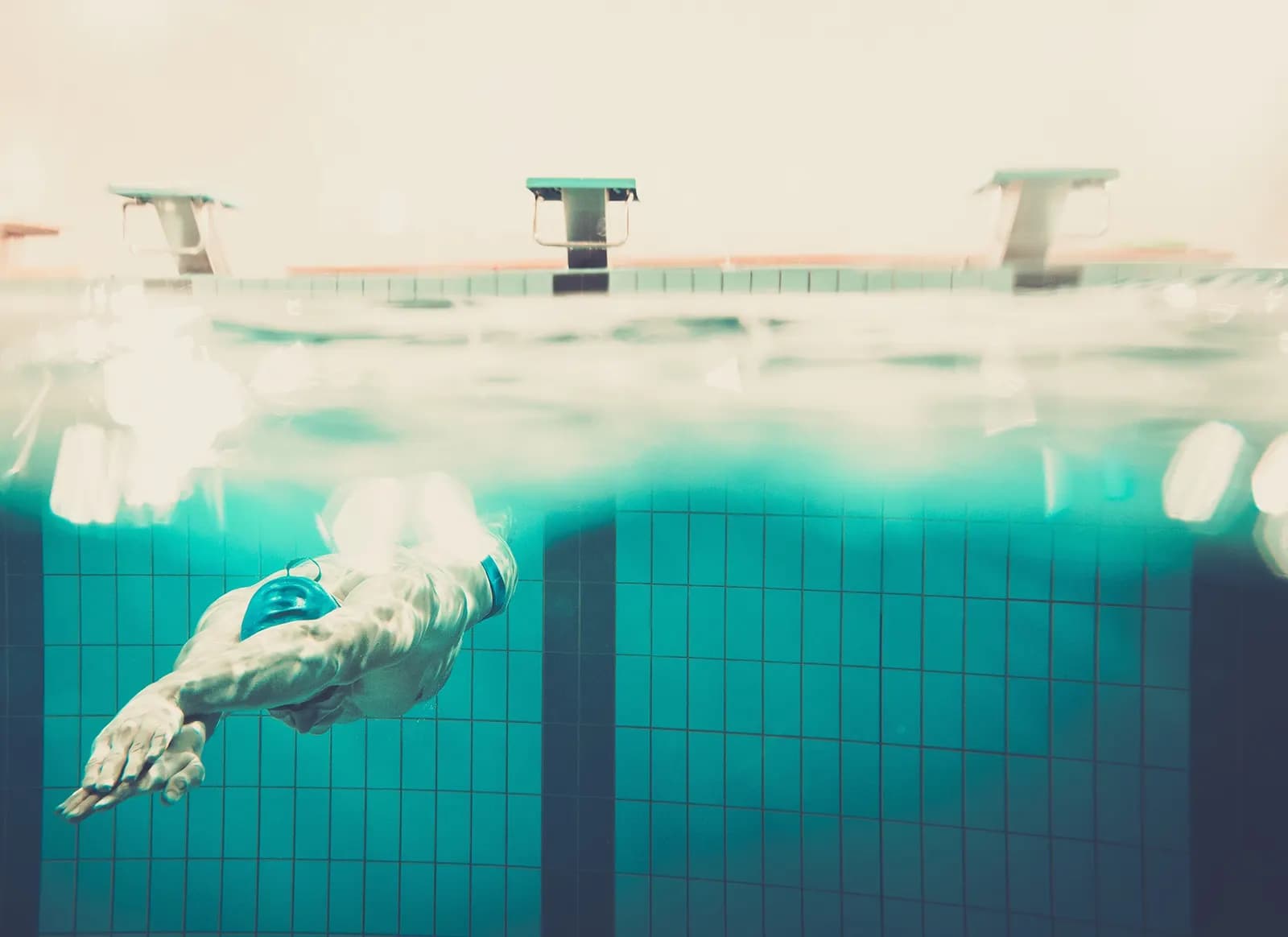
Scuba diving is weightless movement in an alien environment, where your physical conditioning directly impacts safety, enjoyment, and bottom time. Unlike surface sports, diving fitness isn't about maximizing performance—it's about building the specific capacities that keep you safe and comfortable underwater. Scuba diving fitness training bridges the gap between interest in diving and genuine preparedness. WHY SCUBA FITNESS TRAINING MATTERS People frequently underestimate the physical demands of scuba diving. Carrying heavy equipment, moving through water resistance, managing buoyancy while controlling breathing—these demand specific conditioning. Poor scuba fitness manifests as rapid fatigue, compromised air consumption (meaning less bottom time), difficulty managing emergency situations, and reduced enjoyment of dives. Proper scuba diving fitness training transforms the experience. Beyond recreational diving, technical diving, deep diving, and cold-water diving demand even more specialized preparation. The deeper you go or the colder the water, the more your body faces physiological stress. Dive preparation training develops the cardiovascular capacity, muscular endurance, mental resilience, and technical skill to handle these challenges safely. COMPREHENSIVE DIVING FITNESS PREPARATION Our scuba fitness coaching addresses multiple dimensions. Cardiovascular endurance allows you to complete dives without exhaustion. Muscular strength in shoulders, core, and legs enables controlled movement and equipment management. Flexibility and mobility prevent injuries during gear donning and underwater movement. Mental preparation develops the calm decision-making that defines excellent divers. Breathing control and relaxation techniques directly reduce air consumption and improve dive enjoyment. We assess your specific diving plans—recreational reef diving, wreck exploration, altitude diving, technical dives, cold-water work—and tailor conditioning accordingly. A recreational diver's preparation differs substantially from a technical diver's requirements. Our scuba diving training is always purpose-specific. TECHNICAL DIVING FITNESS Technical diving demands extraordinary physical and mental preparation. We develop specialized conditioning for advanced decompression diving, sidemount diving, mixed gas diving, or any technical pursuit. This includes interval training for rapid ascent capability, mental rehearsal for emergency procedures, and physical conditioning that maintains composure under pressure. FLEXIBILITY AND INJURY PREVENTION Scuba involves movements that landlocked humans rarely perform. Repetitive kicking, arm strokes, and equipment maneuvering can create injuries if your body isn't prepared. Our dive fitness programs include comprehensive mobility work, targeted stretching, and strengthening exercises that bulletproof your shoulders, core, and hips against diving-specific injuries. BREATHING AND RELAXATION Perhaps surprisingly, one of the most important skills in scuba isn't physical—it's mental. Relaxation and controlled breathing directly impact air consumption. Nervous divers breathe shallowly and rapidly, burning gas quickly. Calm divers breathe rhythmically and deeply, extending air supply significantly. Our scuba conditioning includes relaxation techniques, breathing exercises, and mental training that reduce air consumption and improve dive comfort. COLD-WATER AND ALTITUDE DIVING Cold-water scuba diving introduces additional physiological stress. Your body fights hypothermia while managing decompression requirements. Altitude diving presents different challenges—thinner air and modified dive tables require different planning and conditioning. We develop specialized preparation for either challenge. FROM BEGINNING DIVERS TO TECHNICAL SPECIALISTS Whether you're pursuing your first certification or planning technical expeditions, our dive fitness training develops the specific capacities your diving demands. We've worked with recreational divers preparing for Hawaiian vacations, technical divers handling extreme decompression requirements, and competitive freedivers pushing personal limits. Whatever your diving direction, we prepare your body and mind for underwater success.
Why diving is a fitness activity at all
Diving looks weightless, and underwater it largely is. The physical demands sit either side of that: hauling a cylinder, weight belt and BCD across a boat deck or a shore entry, finning against current, climbing a ladder in full kit with the sea moving under you, and — occasionally — a longer surface swim than anyone intended.
Those moments are brief, which is exactly why fitness matters. A dive plan has very little slack in it, and the demands that stress a diver are short, sharp and unpredictable. Capacity you never use is not wasted; it is the reason an unexpected current is an inconvenience rather than an incident.
Gas consumption is partly a fitness question
Two divers on the same dive can surface with very different amounts of gas remaining, and the difference is not only technique. Working harder means breathing more. A diver who is finning near their limit consumes gas faster than one moving comfortably, and the one who runs low first ends the dive for the pair.
Aerobic conditioning lowers the effort cost of the same swim, which lowers breathing rate, which extends bottom time. This is the most concrete return on fitness in diving and the easiest to notice: divers who train typically see their consumption improve over a season without changing anything about their technique.
Trim and buoyancy control matter at least as much, and they are skills rather than fitness. We would rather tell you that plainly than sell conditioning as the answer to a problem better solved by a good instructor and a pool session.
What to actually train
Swimming is the most specific thing, and finning is not the same as swimming with your arms. Time in the water with fins builds the exact pattern diving asks for and conditions the hip flexors and calves that cramp when they are unprepared.
Posterior chain strength handles the kit. The heaviest moments in diving are lifting and carrying a cylinder, often on a moving deck or an uneven shore — which is a deadlift and a carry, done badly, at the worst possible moment. Training the pattern deliberately means it is not the first time your back has met that load.
Core stability keeps you horizontal. Holding good trim against a current is an anti-rotation and anti-extension task, which is exactly what planks, carries and Pallof presses train.
Aerobic base underwrites all of it, and it is also what makes a cold dive tolerable — thermal comfort in water is partly a function of how much heat you can produce and how well you circulate it.
- Finned swimming — the most specific work there is
- Deadlifts and loaded carries — for kit handling, on land
- Anti-rotation core — for trim in current
- Easy aerobic volume — for gas consumption and warmth
- Ankle and calf mobility — the most common cramp in new divers
Medical clearance comes first
Diving is one of the few recreational activities with genuine medical contraindications, and no amount of fitness substitutes for clearance. Conditions affecting the lungs, ears, sinuses and heart all matter, as do some medications, and a certifying agency will require a medical questionnaire before you get in the water.
We are trainers, not physicians. Where a form flags something, the answer is a doctor familiar with diving medicine — not a second opinion from us. We will say so plainly rather than train around a question that has not been answered.
Work it out yourself
These are free, run in your browser, and need no sign-up. If they tell you that you do not need us yet, that is a useful answer too.
Common questions
Do I need to be a strong swimmer to learn to dive?
You need to be comfortable and competent in water rather than fast. Certifying agencies typically require a continuous swim of a few hundred metres with no time limit and a period of floating or treading water. Neither is a speed test. Being genuinely relaxed in water matters far more than technique, because comfort is what keeps breathing slow.
How does fitness affect how much air I use?
Directly. Breathing rate rises with physical effort, so a diver working near their limit consumes gas considerably faster than one moving comfortably through the same water. Improving aerobic conditioning lowers the effort cost of the same swim and typically extends bottom time without any change in technique — though buoyancy control and trim usually offer even larger gains for a new diver.
Can I dive if I am not in great shape?
Very often yes, subject to medical clearance, and diving is accessible to a wider range of bodies than most adventure sports because the water carries your weight. The demands that need preparing for are the ones out of the water — carrying kit, boat ladders, shore entries — and a surface swim in current if a dive does not go to plan.
Why do my calves cramp when I dive?
Usually a combination of fins that demand more than the calf is conditioned for, a kick driven from the ankle instead of the hip, cold, and dehydration. Conditioning the calves and ankles specifically, warming up before entry and drinking properly beforehand address most cases; persistent cramping despite those is worth a conversation about fin stiffness and kick technique.
How far in advance should I train before a dive trip?
Eight to twelve weeks is enough to make a noticeable difference to gas consumption and to how you feel after three or four dives in a day. The most valuable single addition is finned swimming, because it is the most specific thing available and conditions exactly the muscles that cramp in divers who have not done it.
Who coaches this
Book Scuba Diving Course
Pick a time that suits you — you can cancel or move it later, within the notice period above.